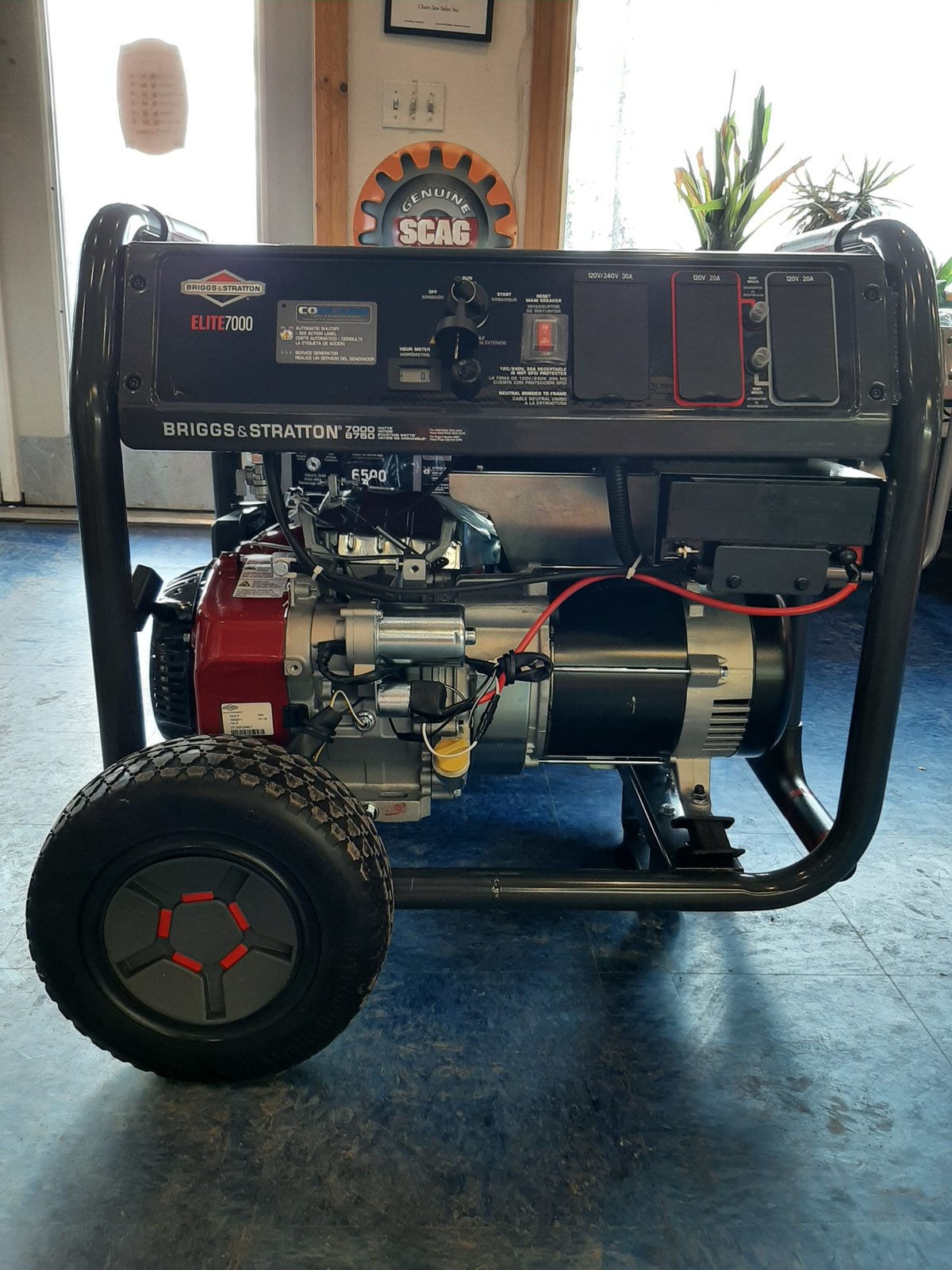
A 7000-watt generator isn't just a piece of emergency equipment; it's a powerful heart ready to beat life into your home or job site when the grid goes dark. But like any vital component, its true potential isn't just in its raw output, it’s in how well it's equipped and maintained. To truly get the most out of your investment, extending its life, boosting its safety, and maximizing its efficiency requires looking beyond the generator itself to the ecosystem of Accessories & Enhancements for 7000 Watt Generators.
Think of it this way: you wouldn't run a high-performance vehicle without the right tires, oil, and safety features. Your generator deserves the same thoughtful approach. This isn't about buying gadgets for gadget's sake; it's about smart additions that transform a basic power source into a reliable, hassle-free, and enduring system.
At a Glance: Maximizing Your Generator's Potential
- Safety First: Prioritize transfer switches and carbon monoxide detectors to protect your home and family.
- Fuel Management: Use stabilizers, quality fuel, and convenient caddies for longevity and uninterrupted operation.
- Maintenance Matters: Track usage with hour meters and invest in spare parts like filters and spark plugs.
- Portability & Protection: Wheel kits, covers, and sound dampening enclosures enhance usability and extend lifespan.
- Smart Power Delivery: Heavy-duty cords and grounding kits ensure efficient and safe power transfer.
- Know Your Model: Always verify accessory compatibility with your specific 7000-watt generator model.
Why Go Beyond the Basics? The Value of Smart Enhancements
A 7000-watt generator is a significant investment, capable of powering critical appliances, tools, and even a good portion of a medium-sized home during an outage. However, out of the box, many generators lack the crucial elements that make them truly safe, convenient, and long-lasting. Adding the right accessories isn't an extravagance; it's a strategic move that delivers several key benefits:
- Enhanced Safety: The most critical reason. Many accessories are designed to prevent dangerous situations like backfeeding the grid or carbon monoxide poisoning.
- Increased Efficiency & Performance: Proper fuel handling and maintenance tools ensure your generator runs smoother, delivers consistent power, and conserves fuel.
- Extended Lifespan: Protecting your generator from the elements, ensuring clean fuel, and tracking maintenance schedules directly translates to years of reliable service.
- Greater Convenience & Ease of Use: From remote starting to easier portability, these additions reduce the hassle factor, making generator operation less of a chore.
- Cost Savings in the Long Run: Preventing breakdowns, reducing fuel waste, and avoiding costly repairs far outweigh the initial investment in quality accessories.
Let's dive into the specific accessories and enhancements that can elevate your 7000-watt generator from a simple machine to a sophisticated, dependable power solution.
The Non-Negotiables: Safety & Setup Essentials
Before you even think about firing up your generator for the first time, these accessories are absolutely paramount for safe and responsible operation.
1. The Indispensable Transfer Switch: Connecting Safely to Your Home
This is perhaps the single most important accessory for any homeowner looking to power their house with a portable generator. A transfer switch provides a safe, legal, and efficient way to connect your generator to your home's electrical system, avoiding dangerous "backfeeding."
- What it does: It creates a dedicated connection point for your generator to your electrical panel, allowing you to safely switch your home's power source from the utility grid to your generator. This isolates your generator's output from the main utility lines.
- Why it's crucial: Backfeeding occurs when generator power flows back into the utility lines. This is incredibly dangerous for utility workers who might be repairing lines, potentially electrocuting them. It can also damage your generator or household appliances.
- Types:
- Manual Transfer Switch: The most common for portable generators. You physically flip a switch to move between utility and generator power. They typically come with a power inlet box mounted outside your home.
- Automatic Transfer Switch (ATS): While more common for standby generators, some high-end portable setups can be integrated. An ATS automatically detects a power outage, starts the generator, and switches the power source.
- Decision Criteria: For a 7000-watt portable generator, a manual transfer switch is usually the practical and cost-effective choice. Ensure it's rated to handle your generator's full output (e.g., a 30-amp or 50-amp switch for a 7000W model, depending on its peak wattage and your specific needs). Installation must be done by a licensed electrician to ensure compliance with local electrical codes.
2. Heavy-Duty Extension Cords: Power Delivery Done Right
While a transfer switch is ideal for whole-home power, you'll still need appropriate cords for individual appliances or if you're using the generator on a job site. Not all extension cords are created equal, especially when handling 7000 watts of power.
- What to look for:
- Gauge: This is critical. Thicker wires (lower gauge numbers like 10-gauge or 12-gauge) can carry more current over longer distances without significant voltage drop or overheating. For 7000 watts, you'll primarily be using NEMA L14-30 (30 amp, 4-prong) or NEMA 14-50 (50 amp, 4-prong) outlets, which require heavy-duty cords.
- Length: Keep cords as short as possible to minimize voltage drop. Excessive length can reduce the usable power at the appliance end and strain your generator.
- Ratings: Ensure the cord is rated for outdoor use (e.g., "WA" or "W" suffix), resistant to water, oil, and abrasion, and matches the amperage of your generator's outlets.
- Ends: Match the plug types to your generator's receptacles (e.g., L14-30 twist-lock for 240V, or standard 5-15R for 120V).
- Pitfall to Avoid: Never daisy-chain multiple thinner extension cords. This is a fire hazard and can damage your appliances and generator. Invest in one heavy-duty cord of appropriate length.
3. Grounding Kits: Essential for Electrical Safety
Proper grounding protects against electrocution and helps prevent damage to your generator and connected devices in the event of a fault. While many modern portable generators have a bonded neutral (meaning the neutral conductor is connected to the generator's frame), some do not, and grounding is still a best practice, especially if the generator is powering a transfer switch.
- What it includes: Typically a copper ground rod (minimum 8 feet long), heavy-gauge copper wire (e.g., 10 AWG or 8 AWG), and clamps to connect the wire to the generator frame and the rod.
- How it works: The ground rod is driven into the earth, and the wire connects it to the generator's frame. This provides a safe path for electrical current to dissipate into the ground if a fault occurs.
- When it's needed: Always check your generator's manual and local electrical codes. If your generator's neutral is not bonded to the frame, or if you're connecting it to a transfer switch that isn't already grounded, a separate grounding rod is typically required.
- Key Consideration: Even with a bonded neutral, some jurisdictions or specific situations might still recommend or require external grounding. When in doubt, consult a qualified electrician.
4. Carbon Monoxide Detectors: Your Lifeline in an Outage
Generators produce carbon monoxide (CO), an odorless, colorless, and deadly gas. This isn't an accessory for the generator, but an absolutely critical one for your safety whenever a generator is running.
- Placement: Place battery-operated CO detectors inside your home, especially near sleeping areas. Never rely on one detector; use multiple.
- Generator Placement: Always operate your generator outdoors, at least 20 feet away from any doors, windows, or vents, with the exhaust pointed away from occupied buildings. Even with detectors, proper generator placement is your primary defense.
- Type: Look for models with digital readouts and battery backup. Test them regularly.
Boosting Performance & Efficiency: Get More From Your Watts
Once the safety essentials are covered, a range of accessories can significantly improve your generator's operational effectiveness and longevity.
1. Fuel Stabilizers & Conditioners: The Unsung Heroes
Generators, especially those used intermittently, often suffer from fuel-related issues. Modern gasoline, particularly ethanol-blended fuel, can degrade quickly, gumming up carburetors and fuel lines.
- What they do: Fuel stabilizers prevent gasoline from oxidizing and separating over time, keeping it fresh for longer. Conditioners might also clean fuel system components.
- Why use them: If you store gasoline for emergencies or your generator sits for extended periods between uses, a stabilizer is a must. It prevents costly repairs due to clogged carburetors and ensures your generator starts reliably when you need it most.
- How to use: Add the recommended amount to your fuel tank and run the generator for a few minutes to circulate the treated fuel throughout the system. Do this before long-term storage or whenever you fill up your emergency fuel cans.
2. Magnetic Dipsticks: Catching Trouble Early
Small metal particles are a natural byproduct of engine break-in and normal wear and tear. These particles can circulate in the oil, causing premature wear.
- What it does: A magnetic dipstick replaces your standard dipstick and contains a powerful magnet at its tip, attracting and holding onto microscopic metal shavings from the engine oil.
- Why it's useful: It provides an early warning system. If you consistently find an excessive amount of metal on the dipstick during oil checks, it might indicate abnormal wear, prompting you to investigate before a major failure occurs. It also helps keep these abrasive particles out of circulation.
- Consideration: This is a simple, inexpensive upgrade that can offer valuable insights into your engine's health.
3. Hour Meters: Tracking Maintenance Precisely
Most generator maintenance schedules are based on operating hours. Guessing when your generator needs an oil change, air filter replacement, or spark plug check is a recipe for premature wear.
- What it does: An hour meter tracks the total time your generator has been running. Some advanced models also track RPMs and offer service reminders.
- Why it's essential: It takes the guesswork out of maintenance. By following the manufacturer's recommendations based on actual runtime, you ensure timely service, which is critical for extending the life of your 7000-watt generator.
- Types: Simple induction meters wrap around the spark plug wire, while more sophisticated models can be wired into the ignition system.
- Installation: Usually a straightforward DIY task, often involving securing the meter to the generator frame and attaching a wire to the spark plug.
4. Wheel Kits & Handles: Making Your Power Portable
While 7000-watt generators are considered "portable," they are far from lightweight. Hauling a 150-250 pound machine around is no small feat.
- What they offer: Factory or aftermarket wheel kits and folding handles make moving your generator significantly easier, whether you're taking it out of storage, positioning it for use, or moving it around a job site.
- Why they're beneficial: Reduces strain and risk of injury, makes it feasible for one person to maneuver the generator, and simplifies storage and deployment.
- Check Compatibility: Ensure any aftermarket kit is specifically designed for your generator model for a secure fit and proper weight distribution. Many quality 7000-watt generators come with these integrated, but if yours doesn't, it's a worthwhile add-on.
5. Cold Weather Kits: Ready for Anything
If you live in a region with freezing temperatures and rely on your generator for winter outages, a cold weather kit can be a game-changer for reliable starts.
- What they include: Typically an engine block heater (to warm the engine oil) and a battery warmer/blanket (to keep the battery at optimal temperature).
- How they help: Cold oil is thicker and harder for the starter to turn over, and cold batteries lose cranking power. These kits ensure smoother, faster starts in frigid conditions, reducing wear on the starter and engine.
- Consideration: Requires access to a 120V outlet to plug in the heaters. A small trickle charger might also be included to keep the battery topped off during storage.
Protecting Your Investment: Storage, Security & Longevity
Your generator works hard; protect it from the elements and opportunistic theft.
1. Generator Covers: Your First Line of Defense
Whether stored indoors or out, a quality cover shields your generator from dust, moisture, UV rays, and minor bumps.
- What to look for: Durable, weather-resistant material (e.g., heavy-duty vinyl or polyester with a waterproof backing), UV protection, and a snug fit. Vents are important to prevent condensation.
- Benefits: Prevents rust and corrosion, keeps internal components clean, and preserves the generator's appearance. It's a simple, cost-effective way to extend its life.
- Fit is Key: A cover that's too loose will flap in the wind, potentially tearing or rubbing, while one that's too tight might not provide adequate coverage or ventilation.
2. Storage Sheds or Enclosures: The Ultimate Protector
For generators stored outdoors long-term or those needing significant sound dampening, a dedicated enclosure can be invaluable.
- Critical Feature: VENTILATION: This cannot be stressed enough. Any enclosure must have ample, carefully designed ventilation to allow exhaust gases to escape safely and to prevent engine overheating. Improper ventilation is a severe safety hazard.
- Benefits: Offers superior protection from weather extremes, acts as a deterrent to theft, and can significantly reduce operational noise.
- DIY vs. Commercial: You can build a DIY enclosure (with careful attention to fire safety and ventilation) or purchase pre-fabricated sound-reducing generator sheds.
- Important Note: Never run your generator inside an unventilated shed, garage, or enclosed space. Even an open garage door isn't enough.
3. Security Cables & Locks: Deterring Theft
Generators are valuable, often stored outdoors, and unfortunately, attractive targets for thieves.
- What they are: Heavy-duty security cables made of hardened steel, typically with a thick vinyl coating, combined with a robust padlock.
- How they work: The cable is threaded through the generator's frame and secured to an immovable object (e.g., a bolted-down anchor point, a heavy post).
- Consideration: While no lock is impenetrable, a visible, heavy-duty cable and lock act as a strong deterrent, making your generator a less appealing target. The harder you make it for a thief, the more likely they are to move on.
Convenience & Comfort Upgrades: Making Life Easier
These accessories might not be strictly necessary for operation, but they can make owning and using your 7000-watt generator a far more pleasant experience.
1. Remote Start Kits: Power at Your Fingertips
Imagine starting your generator from inside your home on a stormy night, without having to brave the elements.
- What it offers: A remote key fob or control panel allows you to start and stop the generator from a distance. Some even offer monitoring features like fuel level or run time.
- Why it's great: Ultimate convenience, especially in inclement weather or if your generator is placed a distance from your home. It reduces the need to physically go to the generator every time you need to start or stop it.
- Compatibility: Many modern 7000-watt generators come with remote start capabilities built-in. For older models, aftermarket kits exist, but professional installation might be required. Always check your specific generator's manual and available upgrade options.
2. Fuel Caddies & Transfer Pumps: Hassle-Free Refueling
A 7000-watt generator can consume a fair amount of fuel, and repeatedly pouring heavy jerry cans can be cumbersome and messy.
- What they are: Fuel caddies are wheeled tanks (often 10-30 gallons) designed for safe fuel storage and transport. Transfer pumps (manual or electric) allow you to easily move fuel from the caddy to the generator's tank.
- Benefits: Reduces the risk of spills, makes refueling easier and safer, and allows you to store a larger volume of fuel securely.
- Safety Tip: Always refuel a cold generator. Spilled fuel on a hot engine is a major fire hazard. Use a wide-mouth funnel and ensure proper ventilation.
3. Sound Dampening Enclosures: Quiet Power
While a necessary evil, the noise of a generator can be a significant drawback, especially in residential areas or during extended outages.
- How it works: These enclosures are lined with sound-absorbing materials and designed to redirect exhaust noise away from living spaces.
- Key Design: Proper airflow for cooling and exhaust ventilation is absolutely critical. Without it, the generator will overheat, potentially failing or causing a fire.
- Consideration: Commercial solutions are available, or experienced DIYers can build their own (again, with extreme caution regarding ventilation and fire safety). Expect a significant reduction in noise, though not complete silence.
4. USB Charging Ports: Modern Convenience
In a world where smartphones and tablets are essential, having direct USB charging on your generator can be a small but mighty convenience.
- What it is: Some newer generators come with integrated USB-A or USB-C ports. For older models, you can use a quality 120V to USB adapter plugged into one of your generator's standard outlets.
- Benefit: Directly charge devices without needing bulky wall adapters, freeing up your generator's standard outlets for other appliances.
- Efficiency: For charging small electronics, using a dedicated USB port or a high-efficiency adapter is often more energy-efficient than powering a large charger off a 120V outlet.
Maintenance Must-Haves: Keeping Your Generator Healthy
Regular maintenance is the bedrock of generator longevity and reliability. Having these basic supplies on hand ensures you're always ready.
1. Spare Filters & Spark Plugs: The Consumables
These are the items that wear out or get dirty over time and are crucial for efficient engine operation.
- Air Filter: A clean air filter is vital for proper combustion and prevents dirt from entering the engine. Have a spare on hand, especially if operating in dusty environments.
- Fuel Filter: Keeps impurities out of the carburetor and engine. A clogged fuel filter can lead to poor performance or failure to start.
- Spark Plug: A fouled or worn spark plug can cause misfires, reduce efficiency, and make starting difficult. Keep at least one new, properly gapped spark plug readily available.
- Tip: Always use manufacturer-recommended parts or high-quality equivalents to ensure compatibility and performance.
2. Engine Oil: The Lifeblood
Regular oil changes are arguably the most important maintenance task for your generator's engine.
- Type & Viscosity: Always use the type and viscosity recommended in your generator's owner's manual (e.g., 10W-30, SAE 30). Using the wrong oil can lead to accelerated wear.
- Quantity: Have enough on hand for at least one full oil change.
- Consideration: Synthetic oils can offer better performance in extreme temperatures and potentially extend oil change intervals, but always follow your manufacturer's guidance.
3. Funnels & Drain Pans: For Clean Changes
Messy oil changes are avoidable with the right tools.
- Funnels: A good quality, wide-mouth funnel makes adding oil a spill-free process.
- Drain Pans: Essential for catching old oil during changes, preventing contamination of your workspace.
- Disposal: Remember to properly dispose of used engine oil at an approved recycling center. Never pour it down a drain or into the ground.
4. Cleaning Supplies: Keep it Tidy
A clean generator is easier to inspect for issues and prevents dirt buildup from impacting performance.
- Brushes & Cloths: For removing dirt, dust, and debris from the exterior and cooling fins.
- Compressed Air: Excellent for blowing out dust from hard-to-reach areas, especially around the air filter housing.
- Warning: Never use a pressure washer directly on your generator, as water can get into electrical components and the engine, causing damage. A damp cloth and a soft brush are usually sufficient.
Addressing Common Questions & Misconceptions
Let's clear up some common confusions surrounding 7000-watt generators and their accessories.
"Can I just run an extension cord from my generator to my house's electrical panel?"
Absolutely not. This is known as backfeeding and is extremely dangerous. It creates an electrocution hazard for utility workers and can damage your home's electrical system. Always use a properly installed transfer switch to connect your generator to your home's wiring.
"Do all 7000-watt generators use the same parts and accessories?"
No. While some general accessories like fuel stabilizers or CO detectors are universal, many parts (e.g., spark plugs, air filters, specific wheel kits, or transfer switch connection types) are unique to your generator's make and model. Always check your owner's manual or the manufacturer's website for compatibility.
"Is a sound-dampening enclosure safe for my generator?"
Only if it's designed with extreme care for proper ventilation. The biggest risk is carbon monoxide buildup and engine overheating. Exhaust gases must be safely routed away, and sufficient airflow must be provided for engine cooling. If in doubt, err on the side of caution or consult a professional.
"Can I run my generator in the rain if it has a cover?"
While a cover offers some protection, it's generally not recommended to run a generator in heavy rain. Moisture can still seep into electrical components. If absolutely necessary, ensure the generator is under an open-sided canopy or shelter that provides protection from direct precipitation while allowing for maximum ventilation. Never operate it in standing water.
Choosing the Right Accessories: A Smart Buyer's Guide
With so many options, how do you decide what's right for your 7000-watt generator?
1. Compatibility is King
Before you click "add to cart," always, always, always verify that the accessory is compatible with your specific generator's make and model. This goes for everything from a wheel kit to a replacement spark plug. A quick check of your owner's manual or the manufacturer's website can save you a lot of hassle. Learn more about 7000-watt generators and their specific requirements to ensure you're making informed choices.
2. Quality Over Cost
When it comes to generator accessories, especially safety-related items like transfer switches or heavy-duty cords, prioritize quality. Cheap, unrated items can fail spectacularly, leading to safety hazards or damage to your expensive generator. Look for recognized safety certifications (like UL listing) and reputable brands.
3. Assess Your Needs and Usage
- Emergency Backup Only? Focus on safety (transfer switch, CO detector), fuel stability, and basic maintenance items.
- Frequent Use/Job Site? Portability (wheel kit), convenience (fuel caddy), and robust spare parts become more important.
- Cold Climate? A cold weather kit moves up the priority list.
- Noise-Sensitive Area? A sound-dampening solution might be a priority.
4. Installation Skill Level
Some accessories, like an hour meter or a magnetic dipstick, are straightforward DIY installs. Others, like a transfer switch, absolutely require a licensed electrician. Be honest about your comfort and skill level to avoid improper installation and potential hazards.
The Bottom Line: Power Up Smartly
Your 7000-watt generator is more than just a source of power; it's a commitment to preparedness, comfort, and productivity. By thoughtfully selecting the right accessories and enhancements, you're not just buying add-ons—you're investing in a system that is safer, more efficient, longer-lasting, and far more convenient to operate.
Take the time to evaluate your specific needs, consult your generator's manual, and choose quality products. With the right setup, your generator won't just keep the lights on; it will do so reliably, safely, and efficiently for years to come, truly becoming the dependable workhorse you expect it to be.