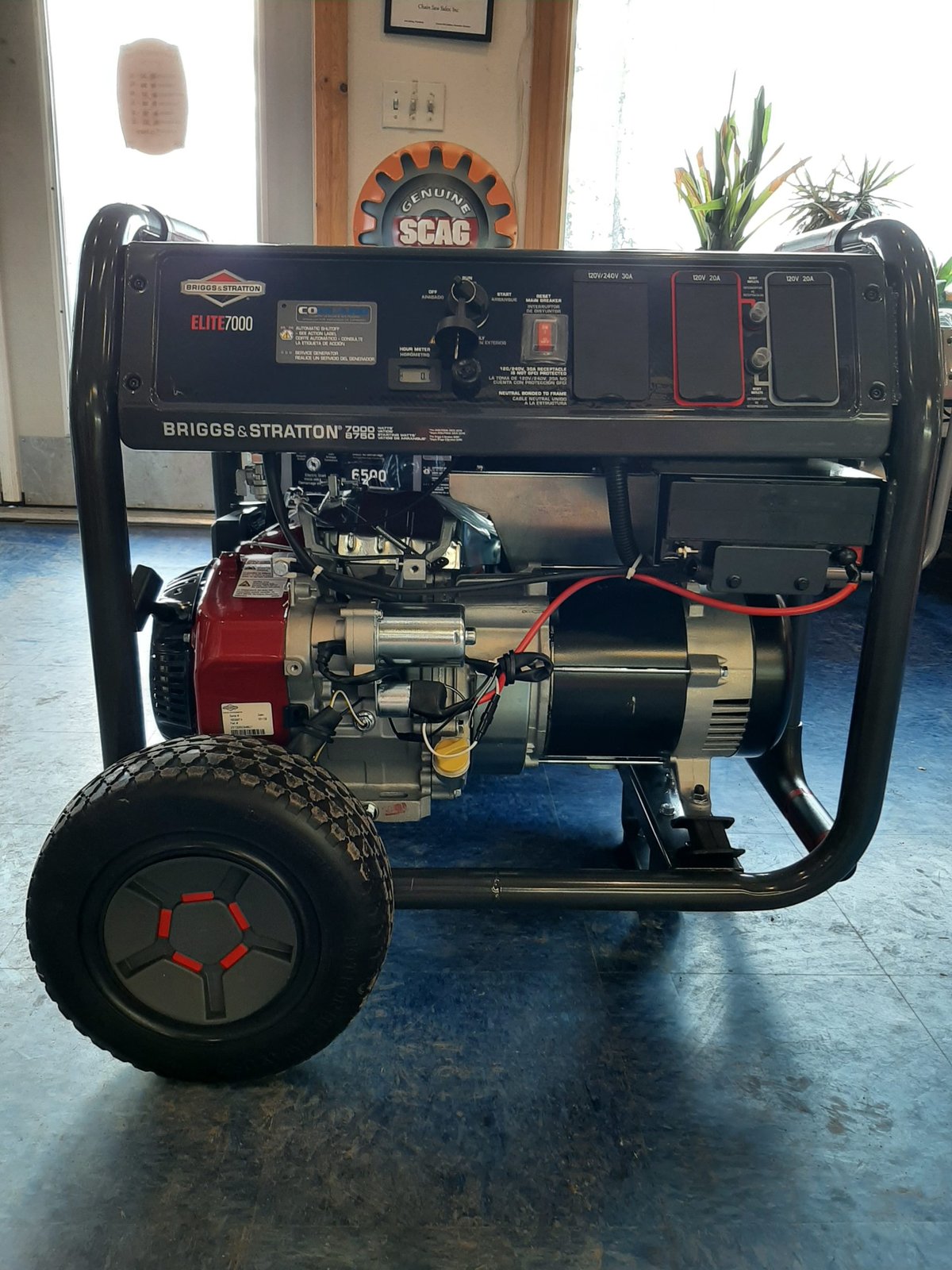
Even a powerful 7000-watt generator, a crucial safeguard against outages, can quickly turn into a hazard without proper handling. Ensuring the safe operation and installation of 7000 watt generators isn't just about convenience; it’s about protecting your home, your family, and your peace of mind. These robust machines are capable of powering a significant portion of a typical home, but their power comes with a critical responsibility. This guide cuts through the noise to deliver trustworthy, actionable advice on setting up and running your generator with absolute safety.
Here’s a quick overview of what we’ll cover:
At a Glance: Essential Safety Takeaways
- Carbon Monoxide (CO) is a Silent Killer: Always operate generators outdoors, far from windows, doors, and vents. Install battery-operated CO alarms in your home.
- Prevent Backfeeding: Never plug a generator directly into a wall outlet. Use a properly installed transfer switch to isolate your home from the utility grid.
- Proper Grounding is Non-Negotiable: Ensure your generator is correctly grounded to prevent electrical shock.
- Fuel Safety First: Store fuel in approved containers, away from living spaces and heat sources. Refuel only when the generator is off and cool.
- Read Your Manual: Every generator is slightly different. The owner's manual (like the Generac 7000W guide or the B&S 7kW manual) is your primary resource for specific instructions and warnings.
The True Cost of Power: Why 7000 Watts Demands Respect
A 7000-watt generator is no small appliance. It’s a serious piece of equipment designed to deliver substantial power, enough to keep critical appliances, lighting, and even some larger items like a well pump or central air conditioning (depending on its size) running during an emergency. This capacity makes it an invaluable asset, but also introduces significant risks if not managed correctly.
We’re talking about high voltage, combustible fuels, and engine exhaust. Each element, while necessary for power generation, carries inherent dangers—electrical shock, fire, and carbon monoxide poisoning. Understanding these risks isn't about fear-mongering; it's about empowerment. Knowing the dangers allows you to take precise, proactive steps to mitigate them.
The Invisible Threat: Carbon Monoxide (CO) and Your Generator
Let's address the most insidious danger first: carbon monoxide (CO) poisoning. Generator exhaust contains high levels of CO, a colorless, odorless, and tasteless gas that can kill quickly and silently. This isn't a theoretical risk; it's the leading cause of generator-related deaths.
Keeping CO Out of Your Home
The absolute, non-negotiable rule is: NEVER run a generator indoors or in a partially enclosed space. This includes garages, basements, sheds, or even under a carport that doesn't have open sides. Even with an open garage door, CO can build up to dangerous levels.
Think of it this way: your generator's exhaust pipe isn't just releasing smoke; it's releasing poison.
- Location, Location, Location: Place your generator at least 20 feet (6 meters) from your home, directed away from windows, doors, and any vents that could draw exhaust indoors. Wind direction matters here—always position it so exhaust blows away from occupied areas.
- CO Detectors Are Lifesavers: Install battery-operated carbon monoxide alarms on every level of your home, especially near sleeping areas. Test them regularly, just like smoke detectors. These devices are your early warning system against an invisible threat.
- Symptoms to Watch For: Be aware of CO poisoning symptoms: headache, dizziness, nausea, fatigue, and shortness of breath. If you or anyone in your household experiences these symptoms and suspects CO exposure, get to fresh air immediately and seek medical attention.
Pre-Installation Prep: Laying the Groundwork for Safety
Before you even unbox your new 7000-watt powerhouse, some crucial groundwork needs to happen. Proper planning at this stage prevents headaches, and more importantly, hazards down the line.
Choosing the Right Spot
The placement of your generator is paramount for safety and performance.
- Outdoor Only, Period: We’ve emphasized this, but it bears repeating. Find a firm, level surface outdoors.
- Distance from Structures: The generally recommended minimum is 20 feet (6 meters) from your house, garage, or any other building. This distance helps prevent CO from entering and minimizes fire risk.
- Clearance: Ensure at least 5 feet (1.5 meters) of clear space around all sides of the generator for proper ventilation and easy access for maintenance and refueling. Avoid placing it near anything combustible like dry leaves, tall grass, or fuel containers.
- Protection from Elements: While operating outdoors, your generator still needs protection from rain and snow. A generator cover or a purpose-built, open-sided generator tent can shield it without restricting airflow. Never use an enclosed structure.
- Security: Consider the generator's security. It's an expensive piece of equipment. If it's a portable model, you might want to chain it to a fixed object.
Local Codes and Regulations: Don't Skip This Step
Generator installation, especially for more permanent setups, often falls under local building and electrical codes.
- Check with Your Municipality: Before you start, contact your local building department or fire marshal. They can inform you about specific setbacks, noise ordinances, and electrical requirements in your area.
- Permits: Depending on your location and the type of installation (e.g., permanent vs. portable with a transfer switch), you might need a permit. Ignoring this can lead to fines or, worse, an unsafe setup.
- Professional Help: If you’re unsure about code compliance or the electrical work involved, hire a licensed electrician. They are trained in national and local codes and can ensure a safe and legal installation.
Assessing Your Electrical Load: What Can 7000 Watts Handle?
Knowing what you need to power is essential for both safe operation and efficient use of your generator. A 7000-watt generator typically provides around 58.3 amps at 120 volts or 29.1 amps at 240 volts.
- List Your Essentials: Create a list of all appliances and devices you intend to power during an outage. Include lights, refrigerators, freezers, sump pumps, well pumps, furnaces, and any critical medical equipment.
- Determine Starting and Running Watts: Most appliances have two wattages: a higher "starting" or "surge" wattage (for motors) and a lower "running" wattage. Your generator needs to handle both. Sum the running watts of everything you'll operate simultaneously, then add the highest starting wattage of any single item that will cycle on during that time.
- Don't Overload: Running a generator beyond its rated capacity can damage the generator, the connected appliances, and create a fire hazard. Always leave a buffer. A quick look at Our 7000-watt generator guide offers more detail on how to calculate your specific power needs effectively.
Step-by-Step Installation: From Unboxing to Powering Up
Once you’ve prepped your site, it's time for the physical installation. This stage involves unpacking, assembly (if required), and crucial electrical and grounding connections.
1. Unpacking and Inspection
- Read the Manual: This cannot be stressed enough. Your specific Generac or Briggs & Stratton 7kW manual contains detailed, model-specific instructions and warnings. Skim it cover-to-cover before you begin.
- Inspect for Damage: Carefully unpack the generator. Check for any signs of shipping damage. If you find any, document it and contact the retailer or manufacturer immediately.
- Assemble Components: Attach wheels, handles, and any other components as instructed in the manual. Ensure all bolts are tightened to the specified torque.
2. Proper Placement (Revisited for Action)
Move the generator to its designated, level, outdoor location, ensuring it's at least 20 feet from any structures and away from windows or vents. Double-check that exhaust will be directed away from occupied areas, taking into account prevailing winds.
3. Grounding Your Generator: An Electrical Safety Imperative
Proper grounding protects you from electric shock if there's a fault within the generator. The National Electrical Code (NEC) dictates grounding requirements, which can vary slightly depending on whether your generator is "separately derived" or "non-separately derived." For most portable 7000-watt generators used for home backup, you'll need to ground it.
- Grounding Rod: Drive a copper-clad steel grounding rod (typically 8 feet long, 5/8 inch diameter) fully into the earth near the generator.
- Grounding Wire: Connect the generator's frame (usually there's a designated grounding lug) to the grounding rod using a heavy-gauge copper wire (e.g., 10-gauge) and a grounding clamp.
- Check Your Manual: Your generator's manual will have specific instructions for grounding, often detailing the correct wire gauge and lug location.
- Bonding vs. Floating Neutral: Some generators have a floating neutral (frame and neutral not bonded internally), requiring external grounding. Others have a bonded neutral (frame and neutral bonded), which might have different grounding implications. Understand your generator's configuration, typically found in the manual.
4. Fuel Connection and Initial Fluids
- Add Engine Oil: Most new generators ship without oil in the crankcase. Consult your manual for the correct type and amount of oil. Overfilling or underfilling can damage the engine.
- Connect Battery (if applicable): If your generator has electric start, connect the battery as per the manual's instructions. Ensure correct polarity.
- Fuel Up (Safely): Use fresh, unleaded gasoline. Fill the tank before starting, and never refuel a hot or running generator. Spilled fuel on a hot engine is a major fire hazard. Use a funnel and avoid overfilling.
5. The Critical Connection: The Transfer Switch (Mandatory for Home Backup)
This is arguably the most critical safety component for home generator installation. Never, ever plug your generator directly into a wall outlet (an act known as "backfeeding"). Backfeeding bypasses safety systems, sending power down utility lines. This can electrocute utility workers or neighbors, and damage your home's electrical system.
A transfer switch safely isolates your home from the utility grid before allowing generator power to flow to your home's circuits.
- Manual Transfer Switch: This type requires you to manually switch your home from utility power to generator power and vice-versa. It's typically installed by a licensed electrician next to your main electrical panel. You connect your generator to an outdoor inlet box, which is wired to the transfer switch.
- Automatic Transfer Switch (ATS): While less common for portable 7000-watt generators, an ATS senses a power outage, starts the generator, switches power to the generator, and reverses the process when utility power returns. This is usually part of a whole-home standby generator system.
- Power Inlet Box: Your generator connects to an exterior power inlet box, which is wired to the transfer switch inside. Ensure the inlet box is rated for outdoor use and the correct amperage for your generator.
- Professional Installation: The installation of a transfer switch is complex electrical work that must be performed by a licensed and qualified electrician. This isn't a DIY job.
Safe Operation: Getting the Most Out of Your 7000W Generator
With installation complete, it's time to learn how to operate your generator safely and efficiently.
Pre-Start Checklist
Before each use, perform a quick inspection:
- Fuel Level: Check gasoline levels.
- Oil Level: Ensure the engine oil is at the correct mark.
- Air Filter: Inspect for debris.
- Spark Plug: Check for cleanliness and proper gap (if you're comfortable doing so).
- Connections: Verify all electrical connections are secure and the generator is properly grounded.
- Clear Area: Ensure the generator is on a stable surface, clear of debris, and no combustibles are nearby.
- CO Alarms: Confirm your carbon monoxide detectors are active and working inside your home.
Starting Your Generator
Follow your manual's exact starting procedure. It typically involves:
- Open Fuel Valve: Turn the fuel valve to the "ON" position.
- Choke (if cold): Move the choke lever to the "CHOKE" position for a cold engine.
- Start Engine:
- Recoil Start: Pull the starter cord firmly and smoothly until the engine starts.
- Electric Start: Turn the ignition key or press the start button.
- Choke (if used): Once the engine starts, gradually move the choke to the "RUN" position as the engine warms up (usually 15-30 seconds).
Connecting and Managing Loads
Once the generator is running smoothly for a few minutes:
- Plug in Appliances (or engage transfer switch):
- Direct Connection (for tools/single appliances): Use heavy-duty, outdoor-rated extension cords (12-gauge or heavier for long runs, check appliance wattage) that are rated for the appliance's power requirements. Ensure cords are free of damage.
- Transfer Switch: Engage your transfer switch to select the circuits you want to power.
- Stagger Your Loads: Don't turn on all connected appliances at once. Start with the highest wattage items first, then gradually add smaller loads, allowing the generator to stabilize with each addition. This prevents overloading the generator's initial surge capacity.
- Monitor Your Generator: Listen for changes in engine sound, and keep an eye on the fuel level. An overloaded generator will strain and could potentially damage the engine or trip circuit breakers.
Refueling Safely
Never refuel a running or hot generator. Gasoline vapors are highly flammable, and a hot engine can ignite them.
- Shut Down: Turn off the generator and allow it to cool down for at least 15-20 minutes.
- Check Fuel Filter: Ensure the fuel cap and filter are securely in place.
- Use a Funnel: Always use a funnel to prevent spills.
- Avoid Overfilling: Leave a little space for fuel expansion.
- Clean Spills: Wipe up any spilled fuel immediately and allow fumes to dissipate before restarting.
Shutting Down Your Generator
- Disconnect Loads: Turn off and disconnect all appliances or switch off the transfer switch.
- Idle Down: Let the generator run for a few minutes with no load to cool down.
- Turn Off Engine: Switch the engine's ignition to the "OFF" position.
- Close Fuel Valve: Turn the fuel valve to the "OFF" position to prevent fuel leakage and carburetor issues during storage.
Electrical Safety: Preventing Shocks and Backfeeding
Electrical hazards are a major concern. Mishandling connections can lead to severe injury or death.
- Ground Fault Circuit Interrupters (GFCIs): Many modern generators have GFCI outlets. If yours doesn't, consider using GFCI-protected extension cords or adapters, especially if operating in damp conditions or near water.
- Heavy-Duty Extension Cords: Use only outdoor-rated extension cords that are specifically designed for heavy loads. The gauge of the cord must be appropriate for the distance and wattage of the appliances you're running. Undersized cords can overheat, leading to fire.
- Inspect Cords: Regularly check all cords for fraying, cuts, or exposed wires. Replace damaged cords immediately.
- Keep Dry: Never operate a generator in standing water or in heavy rain without proper, open-sided protection. Ensure your hands are dry when handling electrical cords.
- Understand Your Generator's Receptacles: Your 7000-watt generator will likely have multiple 120V receptacles and a 240V twist-lock receptacle for high-power applications or connecting to a transfer switch. Ensure you use the correct cords and adapters for each.
Fuel Handling & Fire Prevention: A Volatile Mix
Fuel is the lifeblood of your generator, but it's also highly flammable.
- Approved Containers: Store gasoline in brightly colored, approved containers (e.g., UL-listed metal or plastic cans) clearly labeled for gasoline.
- Safe Storage: Keep fuel containers away from living areas, pilot lights, heat sources, and direct sunlight. A detached shed or garage is ideal.
- Fresh Fuel: Gasoline degrades over time, especially with ethanol blends. Use a fuel stabilizer if you plan to store gasoline for more than a few weeks. Stale fuel can cause starting problems and damage the carburetor.
- No Smoking: Never smoke or use open flames near fuel or a running generator.
- Fire Extinguisher: Keep a Class B fire extinguisher (suitable for flammable liquids) readily accessible near your generator.
Maintenance & Longevity: Keeping Your Generator Reliable
A well-maintained generator is a safe and reliable generator. Neglecting maintenance can lead to breakdowns when you need it most, and can even create unsafe operating conditions.
- Follow the Schedule: Your generator's manual (like the Generac 7000W guide) outlines a maintenance schedule based on operating hours. Stick to it.
- Oil Changes: Regularly change the engine oil. This is typically after the first 20-50 hours, then every 50-100 hours of operation, or annually, whichever comes first.
- Air Filter: Clean or replace the air filter regularly, especially if operating in dusty conditions. A clogged filter can reduce engine performance and increase fuel consumption.
- Spark Plug: Inspect and replace the spark plug as recommended. A worn spark plug can cause misfires and hard starting.
- Fuel Filter: Check and replace the fuel filter periodically to prevent contaminants from reaching the carburetor.
- Battery Maintenance (for electric start): If your generator has an electric start battery, ensure it's charged and the terminals are clean and corrosion-free. Consider a trickle charger for long-term storage.
- Test Runs: Even if you don't have an outage, run your generator under a partial load for 15-30 minutes once a month. This keeps internal components lubricated, charges the battery, and helps burn off old fuel.
Long-Term Storage
If you're storing your generator for more than a month or two:
- Fuel Stabilization: Add a fuel stabilizer to the gasoline in the tank, run the engine for a few minutes to circulate it, then shut it off. Alternatively, drain the fuel tank and run the carburetor dry.
- Oil Change: Perform an oil change before storage.
- Cleanliness: Clean the exterior of the generator and ensure all vents are clear.
- Cover: Use a generator cover to protect it from dust and moisture.
Troubleshooting Common Issues & What Not to Do
Even with the best intentions, things can go wrong. Knowing what to avoid and how to handle minor issues can prevent major problems.
Common Pitfalls to Avoid:
- Overloading: Don't connect too many appliances. If your generator is straining, tripping breakers, or the engine sounds like it's bogging down, you're likely overloading it. Disconnect some items.
- "Cheater" Cords: Never use unapproved adapters or jury-rigged electrical connections. They are dangerous and illegal.
- Ignoring Alarms: If your CO detector goes off, don't assume it's a false alarm. Get everyone to fresh air immediately.
- Running on a Flat Tire: If your portable generator has pneumatic tires, keep them properly inflated. A flat can make it unstable and harder to move safely.
- Neglecting the Manual: We mentioned this at the start, but it's crucial throughout the life of your generator. The instructions are there for your safety and the machine's longevity.
What to Do If Things Go Wrong:
- Sudden Shutdown: If your generator suddenly stops, check fuel and oil levels first. Then check for tripped circuit breakers on the generator itself.
- No Power Output: Ensure the generator's circuit breakers aren't tripped. If using a transfer switch, verify it's correctly switched to generator power.
- Smoke or Burning Smell: Immediately shut down the generator. Investigate the source, but do not restart until the issue is resolved by a qualified technician.
- Electrical Shock: If someone experiences a shock, ensure the power source (generator) is shut off before touching them. Seek immediate medical attention.
Your Power, Responsibly: An Actionable Close
Operating a 7000-watt generator safely isn’t a one-time setup; it’s an ongoing commitment to vigilance and adherence to best practices. By understanding the inherent risks and following the steps outlined in this guide, along with your specific owner’s manual, you transform a powerful tool into a reliable, safe source of backup power for your home.
Remember, the goal isn't just to have power during an outage, but to have it safely. Take the time, follow the rules, and don't hesitate to consult professionals for any electrical work. Your safety and peace of mind are worth it.